Agriculture & Food Processing

Invested in local transportation infrastructure
Skilled industrial labor force within 30 minutes
Average access time to major regional markets

From Field to Market

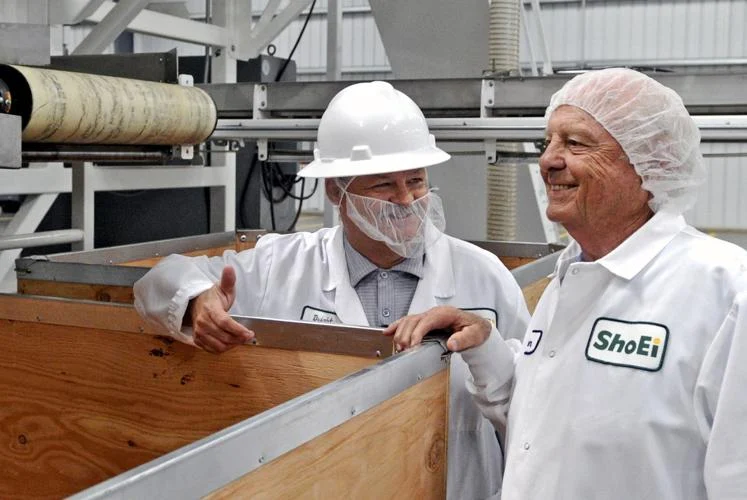
Yuba County is a core part of California’s Sacramento Valley agricultural economy, supporting a full value chain from production to processing, cold storage, and export-oriented operations.

Reliable water security and a long growing season support agricultural operations of any scale, from row crops to value-added processing.

What Local Businesses Are Saying.

  • Fair and Reasonable in an Effort to Support Industry and Commerce.

    “G2 Energy has been operating our renewable energy business in Yuba County since 2009. From the first applications for licensing and permits until today, we have had a singularly pleasant experience with the people serving Yuba County. At every juncture, this County has endeavored to interpret and apply rules and regulations fairly and with uncommon common sense. I don’t know of any other agency in California that works as hard as the folks at Yuba County to be fair and reasonable in an effort to support industry and commerce.”
    Mark Barteaux
    G2 Energy
  • One of the Best Decisions
    I Had Ever Made.

    “Moving my business to Yuba County was one of the best decisions that I had ever made. The amount of support that we have received before, during and after our site improvement was just incredible. I plan to grow and expand our food trailer manufacturing business with Yuba County!”
    Mike Shiyanenko
    Golden State Trailers

Agriculture FAQs

The county supports a wide range of agricultural activities including crop production, orchards, livestock, specialty crops, ag-tech, food processing, cold storage, and value-added manufacturing.

Yes. Agricultural land ranges from large-scale production acreage to smaller specialty farming sites. Staff can help identify parcels based on water access, soil conditions, zoning, and infrastructure.

Permitting depends on the activity. Standard farming operations may be ministerial, while processing facilities, agritourism, or new structures may require use permits, environmental review, or building permits.

Water availability varies by location and provider. Site-specific guidance is provided during project review to clarify irrigation districts, groundwater conditions, and infrastructure needs.

Incentives may include property tax programs, workforce training assistance, and grant opportunities through agencies such as the U.S. Department of Agriculture.

Yes, but structures must comply with zoning, setbacks, and building standards. Processing facilities or major improvements may require additional approvals.

Yes. Businesses can receive help with site selection, permitting navigation, workforce connections, and financing programs.

Our Work in Action

Early coordination with Economic Development provided clear timelines, infrastructure insight, and a defined path to development allowing the projects to move forward with confidence.

Case Study

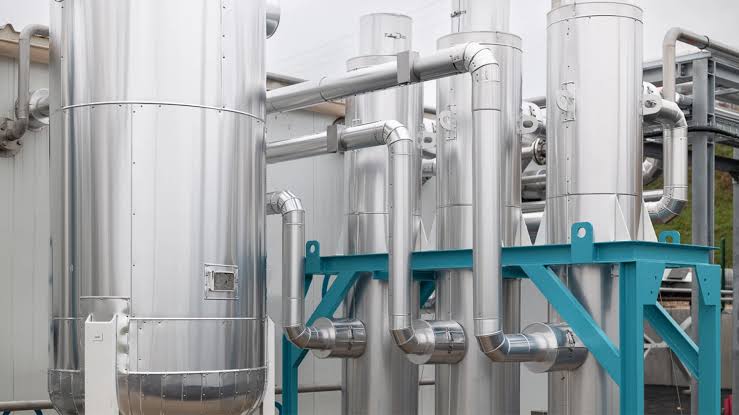
G2 Energy Expands Landfill Gas Operations in Yuba County
With partner WAGA Energy, G2 adds renewable natural gas production at Ostrom Road Landfill in Wheatland. G2 Energy, a longtime landfill gas partner of Recology, is expanding its operation in Yuba…
Read More
G2 Energy Expands Landfill Gas Operations in Yuba County

Case Study

WindsorONE Locates in Yuba County
A global wood products manufacturer finds room to produce, distribute, and grow. WindsorONE, a global manufacturer of specialty wood products, needed a site that could support day-one operations and long-term…
Read More

WindsorONE Locates in Yuba County

Ready to move your project forward?

Talk with our team to evaluate sites, industry fit, and next steps—so you can move forward with clarity and confidence.